

18 Powerful Tips to Improve Your Home Improvement Projects
Home improvement is more than just a weekend hobby; it is an investment in your lifestyle and your property’s market value. Whether you are planning a complete overhaul or a few minor DIY home renovations, the approach you take determines the quality of the result. For many homeowners, the process can feel overwhelming, leading to “decision paralysis” or overspending.
To help you navigate your next project, we have compiled 18 powerful tips to improve your home improvement journey. These strategies cover everything from planning and budgeting to specific interior and exterior upgrades that offer the highest return on investment (ROI).
1. Define Your Primary Objective
Before picking up a hammer, ask yourself: Why am I doing this? Are you renovating to increase the resale value, or are you creating a “forever home” tailored to your personal taste? If you plan to sell within five years, focus on neutral designs and high-ROI projects like kitchen refreshes. If you are staying long-term, prioritize comfort and functionality.
2. Create a Detailed Budget with a Buffer
One of the most common home improvement mistakes is underestimating costs. Always get multiple quotes for materials and labor. Once you have a final number, add a 10% to 20% “contingency fund.” Unexpected issues, such as outdated wiring or water damage hidden behind walls, are common once construction begins.
3. Research and Vet Contractors Thoroughly
If you aren’t going the DIY route, hiring the right professional is critical. Don’t just hire the cheapest bid. Check licenses, read online reviews, and ask for references. A reputable contractor should be transparent about their timeline and provide a written contract that protects both parties.
4. The Power of a Fresh Coat of Paint
Nothing transforms a space faster or more affordably than paint. To make a room feel larger and more inviting, opt for light, neutral tones like “greige,” soft whites, or pale blues. Use high-quality, low-VOC (Volatile Organic Compounds) paint to ensure better air quality and a more durable finish.
5. Upgrade Your Lighting Scheme
Lighting changes the mood of a home instantly. Move beyond basic overhead lights by incorporating “layered lighting.” This includes ambient lighting (general illumination), task lighting (under-cabinet lights in the kitchen), and accent lighting (to highlight art or architectural features). Swapping old yellow bulbs for energy-efficient LEDs in a “warm white” range can also modernize your space.
6. Focus on Kitchen Hardware and Fixtures
You don’t always need a full kitchen remodel to see a big difference. Replacing dated cabinet handles, drawer pulls, and the kitchen faucet can give the room a contemporary feel for a fraction of the cost. Choose finishes like matte black, brushed gold, or classic nickel for a timeless look.
7. Reface Instead of Replace
If your kitchen cabinets are structurally sound but look dated, consider refacing them. This involves replacing the doors and drawer fronts while keeping the existing cabinet boxes. It saves thousands of dollars and reduces construction waste while making your kitchen look brand new.
8. Maximize Natural Light
Bright homes feel cleaner and more spacious. Improve your home’s natural light by cleaning windows inside and out, using sheer window treatments, and strategically placing mirrors opposite windows to bounce light into darker corners of the room.
9. Improve Indoor Air Quality
Home improvement isn’t just about what you see; it’s about how the home feels. Replace old air filters, consider installing a whole-house air purifier, and add indoor plants like snake plants or peace lilies. These improvements make the living environment healthier for your family.
10. Master the Art of Decluttering
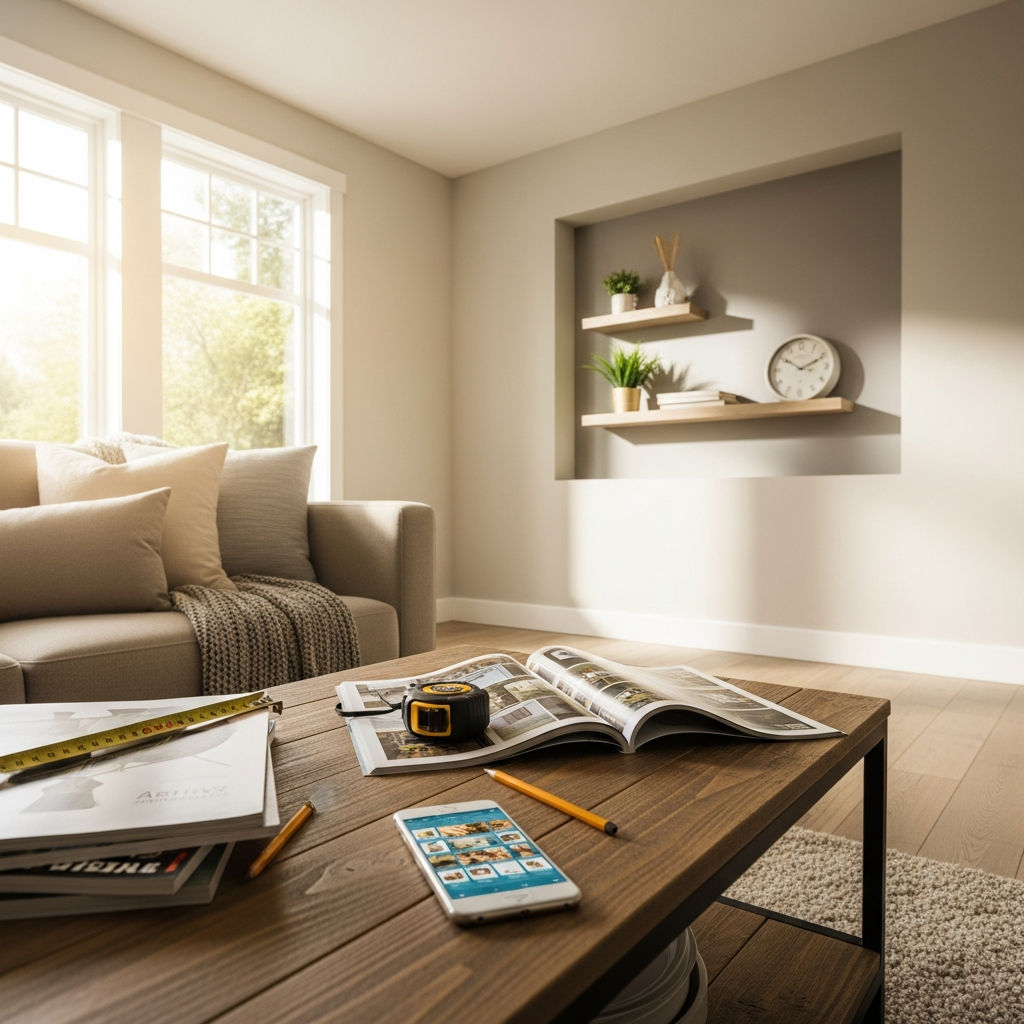
Before adding new features, remove the “noise.” A cluttered home looks smaller and more stressed. Use the “one-in, one-out” rule and invest in smart storage solutions, such as built-in shelving or furniture with hidden compartments, to keep surfaces clear.
11. Prioritize Energy Efficiency
Energy-efficient upgrades pay for themselves over time. Consider installing a smart thermostat, which learns your habits and lowers utility bills. Other high-impact moves include sealing gaps around doors and windows with weatherstripping and adding insulation to your attic.
12. Don’t Overlook the Flooring
Old, stained carpet or scratched linoleum can drag down the look of an entire house. If you have hardwood floors hidden under carpet, refinishing them is one of the best investments you can make. If you’re on a budget, Luxury Vinyl Plank (LVP) is a durable, waterproof, and DIY-friendly option that mimics the look of wood.
13. Update Your Bathroom on a Budget
A full bathroom renovation is expensive, but minor tweaks go a long way. Re-caulking the tub, replacing a dated vanity mirror, and swapping out an old showerhead for a rainfall model can create a spa-like atmosphere without the five-figure price tag.
14. Enhance Your Curb Appeal
First impressions matter. Improve your home’s exterior by power washing the siding and driveway. Plant colorful perennials, trim overgrown bushes, and ensure your lawn is well-maintained. A clean exterior suggests that the home has been well-cared for overall.
15. Revitalize the Front Entrance
Your front door is the focal point of your home’s exterior. Paint it a bold, welcoming color like navy blue or deep red. Update the house numbers with a modern font and replace an old doorbell or porch light to instantly boost the home’s “face value.”
16. Create an Outdoor Living Space
Home improvement should extend to your backyard. Even a small patio with comfortable seating and a fire pit can act as an additional “room.” Adding outdoor string lights or solar-powered path lights makes the space usable well into the evening and increases the functional square footage of your property.
17. Focus on Maintenance First
It’s tempting to spend money on “pretty” upgrades, but functional maintenance is more important. Ensure your roof is in good repair, your gutters are clear, and your HVAC system is serviced. Buyers—and your future self—will appreciate a home that is structurally sound more than one with fancy tile but a leaking ceiling.
18. Know When to DIY and When to Call a Pro
The most powerful tip to improve your home improvement is knowing your limits. While painting and simple landscaping are great DIY projects, anything involving major plumbing, electrical work, or structural changes should be left to licensed professionals. Doing it wrong yourself often costs twice as much to fix later.
Conclusion
Improving your home is a journey of small wins and strategic planning. By focusing on high-impact areas like lighting, paint, and energy efficiency, you can transform your living space into a sanctuary that also grows your financial equity. Start with a clear plan, stick to a realistic budget, and don’t be afraid to take it one room at a time. With these 18 tips, your next home improvement project is sure to be a success.
