

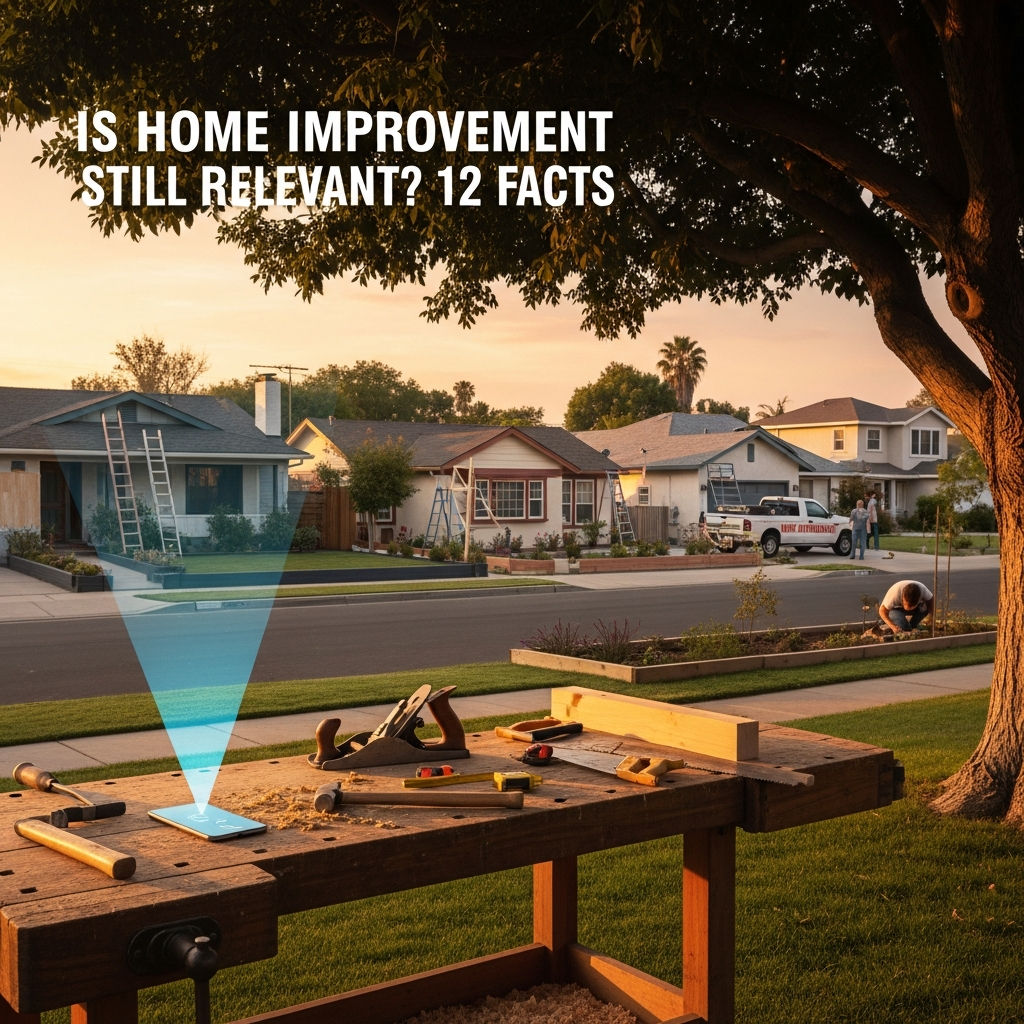
Is Home Improvement Still Relevant? 12 Facts That Prove It Is More Vital Than Ever
In an era of fluctuating interest rates and a volatile housing market, many homeowners are asking a critical question: Is home improvement still relevant? With the “fixer-upper” craze of the mid-2010s behind us and the pandemic-driven DIY boom leveling off, it is easy to assume that the renovation industry is cooling down. However, the reality is quite the opposite.
Home improvement has transitioned from a hobby to a strategic financial and lifestyle necessity. Whether it is adapting to the “new normal” of remote work or finding ways to increase property value without selling, the reasons to renovate are evolving. Here are 12 facts that prove home improvement is not just relevant—it is essential for the modern homeowner.
1. The “Lock-In Effect” is Driving Renovations
One of the primary reasons home improvement remains relevant today is the “lock-in effect.” Many homeowners secured mortgage rates between 2% and 4% during the pandemic. With current rates significantly higher, moving to a new house is financially unfeasible for many. Instead of moving to find a house that fits their needs, homeowners are choosing to “improve rather than move,” investing their savings into making their current space perfect.
2. Energy Efficiency is the New Luxury
Sustainability is no longer just a buzzword; it is a financial strategy. With rising utility costs, energy-efficient home improvements have become top priorities. Facts show that upgrading to LED lighting, installing smart thermostats, and improving attic insulation can save homeowners up to 20% on heating and cooling costs. These “invisible” improvements offer some of the most consistent returns on investment (ROI) in today’s market.
Key Energy Upgrades:
- Solar panel installation.
- High-efficiency HVAC systems.
- Double or triple-pane window replacements.
- Energy Star-rated appliances.
3. Home Offices Are Now Permanent Fixtures
The shift toward remote and hybrid work is not a temporary trend. According to recent labor statistics, millions of professionals still work from home at least part-time. Consequently, the “home office” has evolved from a kitchen table setup to a dedicated, soundproofed, and professionally designed space. Renovating a spare bedroom or a basement into a functional workspace is one of the most relevant improvements a modern homeowner can make.
4. Kitchen Remodels Still Offer the Highest ROI
If you are looking for the best bang for your buck, the kitchen remains king. Real estate experts consistently find that a minor kitchen remodel—such as refacing cabinets, updating hardware, and replacing old appliances—yields an ROI of approximately 70% to 80%. Because the kitchen is the heart of the home, it remains the primary focal point for buyers, making it a timeless improvement project.
5. The Rise of “Aging in Place” Design
As the Baby Boomer generation enters retirement, there is a massive surge in “Universal Design” improvements. Many seniors prefer to stay in their own homes rather than move to assisted living facilities. This has made home improvements like walk-in tubs, wider doorways, and ramp installations incredibly relevant. These modifications ensure safety and independence, adding a different type of “value” to a property.
6. Curb Appeal Directly Impacts Appraised Value
First impressions are everything in real estate. Fact: A well-landscaped home can increase its property value by up to 10% to 12%. Simple home improvements like a fresh coat of paint on the front door, modern outdoor lighting, and a manicured lawn are low-cost ways to make a significant impact. In a competitive market, curb appeal is often the deciding factor in how quickly a home sells.
7. Smart Home Integration is No Longer Optional
Technology has become deeply integrated into our daily lives, and our homes are following suit. Modern buyers expect a level of “intelligence” in a property. Integrating smart security cameras, automated lighting, and leak detection systems are home improvements that increase safety and convenience. These upgrades are particularly relevant for Gen Z and Millennial buyers who view smart tech as a standard requirement.
8. Multi-Generational Living is Increasing
Economic pressures and the high cost of childcare/eldercare have led to a rise in multi-generational households. Because of this, home improvements that create “Accessory Dwelling Units” (ADUs) or finished basements with separate entrances are in high demand. Converting a garage or a basement into a functional living suite adds massive square footage value and versatility to a property.
9. Mental Health and “Wellness Spaces”
Post-pandemic, the home is viewed as a sanctuary for mental health. Home improvement trends are shifting toward “biophilic design”—the practice of bringing the outdoors in. This includes larger windows for natural light, indoor gardens, and “spa-like” bathroom renovations. Creating a dedicated space for meditation, yoga, or relaxation is a modern improvement that addresses the holistic needs of the occupants.
Popular Wellness Features:
- Soaking tubs and steam showers.
- Acoustic panels for noise reduction.
- Air purification systems.
- Non-toxic, low-VOC building materials.
10. Outdoor Living as an Extension of Square Footage
Homeowners are no longer content with just a patch of grass. The backyard is now viewed as an additional room. Fact: Decks, patios, and outdoor kitchens provide some of the highest lifestyle satisfaction scores among homeowners. Expanding the living area to the outdoors effectively increases the “usable” square footage of a home without the massive cost of a structural addition.
11. Maintenance Prevents Devaluation
Home improvement isn’t always about aesthetics; sometimes, it’s about preservation. Regular improvements like roof repairs, gutter cleaning, and siding replacement are essential to prevent the devaluation of the asset. A home that has been neglected will require significantly more capital to fix later, making “preventative home improvement” a highly relevant strategy for wealth preservation.
12. Micro-Renovations Provide High Impact for Low Cost
You don’t need a $50,000 budget to make home improvement relevant. The rise of “micro-renovations”—small, DIY-friendly projects—has empowered a new generation of homeowners. Swapping out outdated light fixtures, painting a feature wall, or updating cabinet pulls can transform the feel of a room for under $500. This accessibility ensures that home improvement remains relevant to everyone, regardless of their budget.
Summary of Why Home Improvement Matters in 2024
- Financial Growth: It remains one of the most reliable ways to build home equity.
- Adaptability: It allows homes to evolve with changing work and family dynamics.
- Efficiency: It reduces long-term living costs through green technology.
- Comfort: It transforms a living space into a personal retreat.
Conclusion: The Verdict on Home Improvement
Is home improvement still relevant? Absolutely. While the reasons for renovating have shifted from “flipping for a quick profit” to “improving for long-term value and lifestyle,” the industry remains a cornerstone of the economy and personal wealth management. By focusing on ROI-driven projects, energy efficiency, and functional living spaces, homeowners can ensure their property remains a modern, valuable, and comfortable asset for years to come.
Whether you are looking to sell in six months or stay for the next sixty years, investing in your home is always a move in the right direction. The facts speak for themselves: a better home leads to a better life and a stronger financial future.
