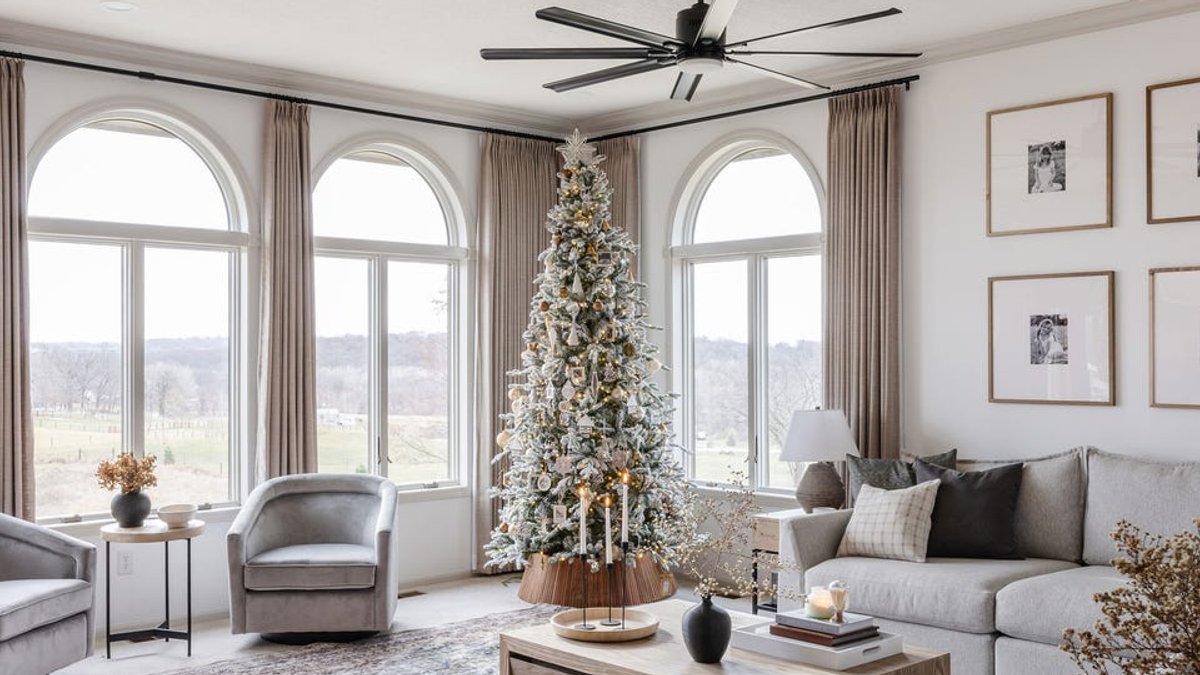
When it comes to windows, not all are created equal. Some may be skinny, tucked away in a corner, or unusually shaped. The right treatment can make even the most awkward window feel intentional, but it’s all about finding the right solution. Interior designers Paige Kelly and Lindsey Walsh share their favorite window treatment fixes, including some clever ideas that may not have been considered.
Kelly recommends hanging treatments higher to make ceilings feel taller. By mounting the curtain rod a few inches from the top of the wall, rather than right above the window, it can create the illusion of a bigger room. Tall panels draw the eye up, but make sure they are long enough to skim the floor.
Design Solutions for Awkward Windows
Walsh warns that if the panels are too short, they can look like “high-water pants,” which can be unflattering. To avoid this, it is necessary to choose the right length and style of panel. Liz Linen Pleated Drapes are a full-length option with a tailored pleat that can add a polished finish to the room.
Another solution is to play with pattern to blur awkward architecture. Walsh suggests “pattern drenching” as a way to make a space feel more cohesive and help soften the edges of an oddly placed window. By carrying the same pattern across the walls and window treatments, the window becomes part of a larger visual composition.
This technique can be achieved by using paper-backed fabric to cover both the walls and windows. A wallpaper installer can apply the fabric to the walls, and a window treatment workroom can install it as drapery or shades, carefully aligning the pattern repeat so the two applications meet seamlessly.
Read Also: Kitchen as Art: Designer Merges Tech and Sensory Design
Extending the Rod for Narrow Windows
For narrow windows, increasing the fullness of drapery panels can trick the eye into making the window appear more substantial. Walsh suggests using the stack back required for a wider window, which can create the illusion of a larger window. The panel fabric may just be covering a lot of the wall, but it will look like there’s a window there.
If the window placement is part of the problem, Kelly suggests extending the curtain rod beyond the window and using a one-way draw. Gathering a drapery stack to one side can feel intentional and help balance an off-center window.
One way to achieve this is by layering treatments for light and privacy. Combining shades and drapes allows for tailored light and privacy in the room. In a bedroom, for example, a dual functioning system with a blackout layer and a sheer layer can be particularly effective.
According to Kelly, this can be achieved with motorized blackout treatments that let you greet the morning sun with the touch of a button. In rooms where full blackout is not necessary, cafe curtains can be a great solution, covering the neighbor’s yard while still allowing natural light to filter in.
The use of fabric in window treatments can also serve to soften hard surfaces in a room. Walsh likes to use drapery beyond traditional windows, especially in rooms with finishes such as marble, glass, or tile. A portière, or curtain hung in a doorway or cased opening, can create a sense of separation between spaces and soften an entryway.
Read Also: Historic Titanic Survivor’s Home Revived with Modern Elegance
For instance, Walsh notes that even if drapery and window treatments are purely decorative, they can still absorb sound and provide texture and visual interest. The right fabric can reinforce this effect, with lighter fabrics like TWOPAGES Patti Belgian Flax Linen Curtain adding softness without feeling too heavy.
A drape with a more substantial texture, such as the brand’s Birkin Velvet Curtain, can add visual warmth and a richer feel, perfect for the colder months. By considering the specific needs of the room and choosing the right fabric, it’s possible to create a window treatment that is both functional and beautiful.
Upgrading the hardware can also make a significant difference in the overall look of the window treatment. Instead of a traditional curtain rod with finials on each end, which can look dated, Walsh advises using a French return rod, which is mounted on the wall and curves outward.
This allows the end of the panels to sit flush against the wall while still creating space for a stack back. As Walsh notes, a French return rod is by far the most elegant way to fake it and make drapes look professional. However, it’s essential to avoid using grommets, which can be a dead giveaway that the treatment was done oneself.
Head to twopagescurtains.com for more ideas.


