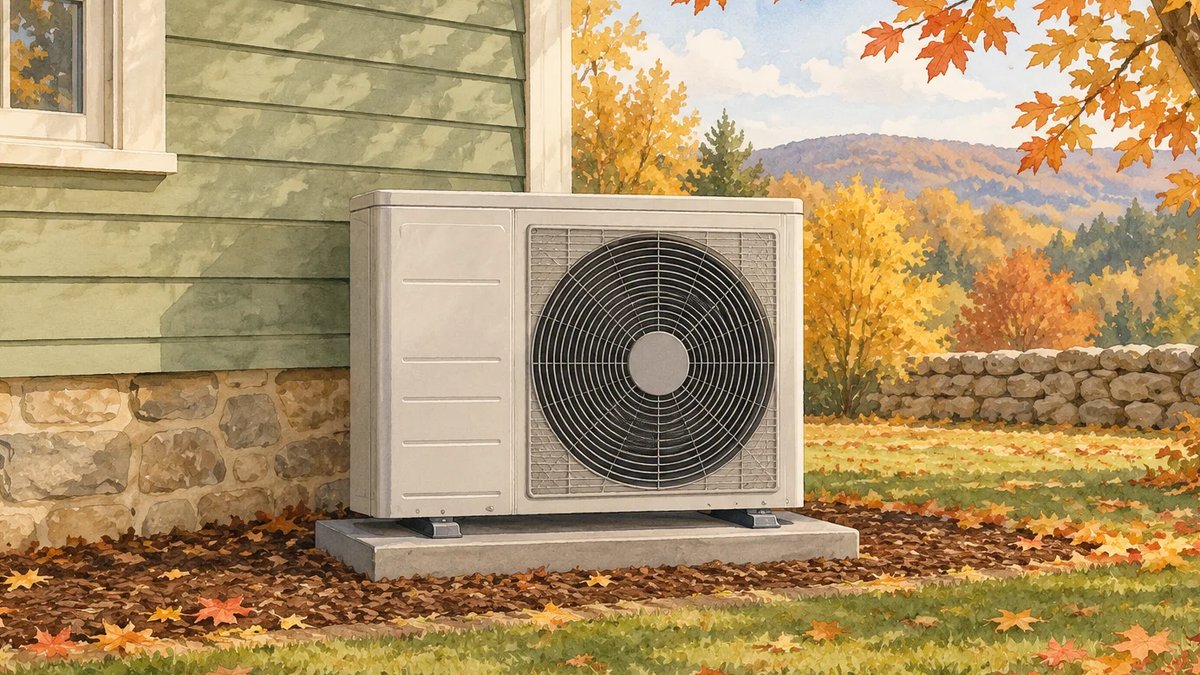
Homeowners considering a heat pump replacement should start the evaluation before the existing system fails, allowing time to discuss the whole project.
Preparing the Project
A clear proposal must show how the chosen system will work in the specific house; generic product ratings or neighbor anecdotes do not address layout, existing equipment, or comfort goals.
Gather recent utility bills, details on current equipment, maintenance logs, and notes on rooms that stay cold or hot. Share any planned additions, insulation upgrades, or layout changes with the contractor.
They should determine whether a home-energy assessment would clarify building needs before equipment selection. The DOE assessment guide recommends this step when problems extend beyond an aging appliance.
Request the sizing methodology and the operating conditions assumed in the design. Although the federal purchasing rules cited by the DOE are not mandatory for homeowners, they help compare system options.
Evaluating the Design
Insist on the exact indoor and outdoor model pair, not just a brand name. The contractor should explain projected heating and cooling performance and the assumptions behind the numbers.
For a ducted layout, ask what has been reviewed about the existing distribution network and what modifications are planned. For a room-based setup, check indoor-unit placement, door clearance, and airflow to adjacent spaces.
Read Also: Tips for Planning Kitchen Lighting at Night
A qualified electrician should outline the electrical scope, including any new circuits, panel upgrades, or permits required. Confirm which trades are covered so a low equipment price does not hide extra work.
Understanding how the system will run in cold weather is essential. Ask when supplemental heat will engage, how outdoor-unit placement addresses snow exposure, drainage, and access, and who will program the controls.
During the walkthrough, learn how to adjust the thermostat and spot a service issue. Avoid relying on an unverified claim that a single operating strategy suits every home; the commissioning instructions should match the actual design.
Understanding Costs and Service
Separate the installed scope, maintenance expectations, warranty terms, and any operating-cost estimate. Verify which utility rates and usage assumptions support the cost projection.
If incentives are mentioned, confirm current program eligibility before counting them on the budget; no rebate is guaranteed.
Keep the proposal, commissioning notes, and service contacts together. A maintenance guide can aid in compiling the existing-system history, and a local professional directory assists in finding qualified installers.


