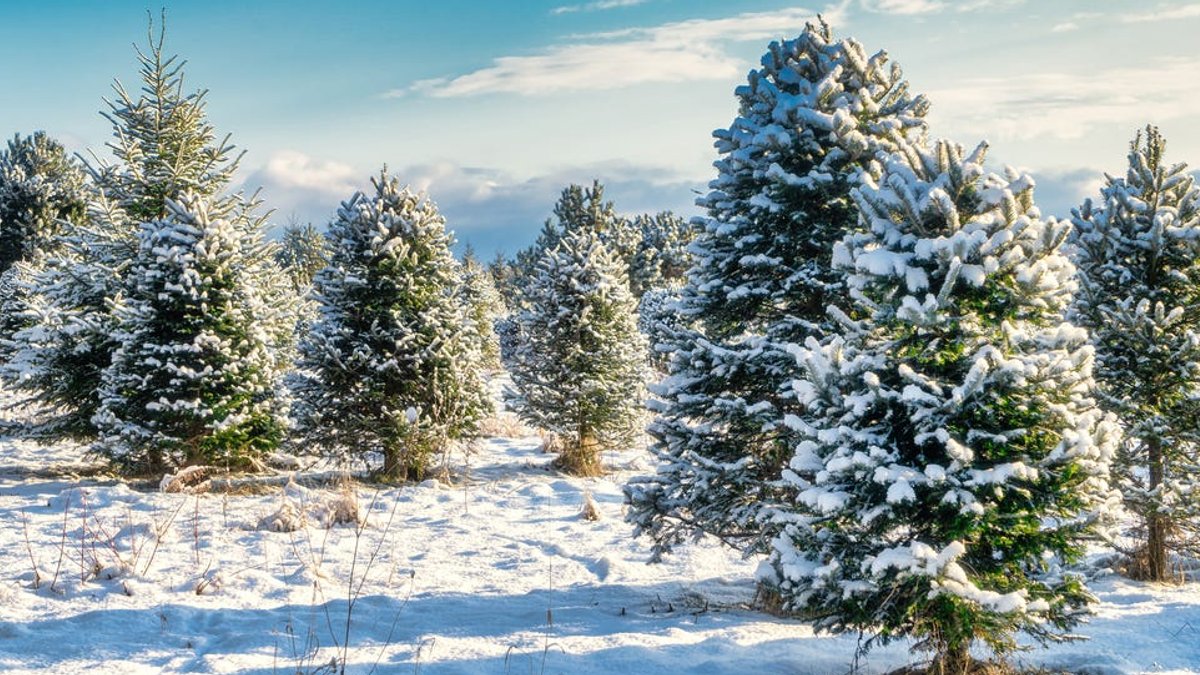
The Fraser fir remains the most popular Christmas tree choice for households east of the Rocky Mountains, according to horticultural experts. Its deep green needles and stiff, evenly spaced branches make it ideal for decoration, while its widespread availability in the eastern U.S. ensures a steady supply. This combination of form and function explains why it dominates holiday tree lots from New England to the Midwest, though regional preferences still influence choices.
Families prioritizing cleanup over ornamentation often turn to the Canaan fir. Unlike Fraser or balsam firs, it sheds significantly fewer needles, reducing post-holiday vacuuming. While less common in retail lots, dedicated tree farms in the Northeast and Appalachians frequently stock it. Its branch density matches that of other firs, but needle retention makes it the preferred option for those seeking minimal maintenance.
When lightweight decor trumps holiday tradition
At the opposite end of the spectrum, the eastern white pine offers volume but lacks structural integrity. Its thin, silvery-green needles and rapid growth appeal to those favoring lightweight decor, though branches bend easily under heavier ornaments. The tree’s fluffy appearance and bird-friendly habitat—woodpeckers often nest in its trunks—add rustic charm, but its delicate structure limits traditional holiday displays.
Arizona cypress trees thrive in dry conditions that would harm most evergreens. With proper care, they can outlast other holiday trees by weeks, making them practical for late December celebrations. Their lacy silver-blue foliage and thick branching create a striking visual contrast to classic firs, though they require more water than native desert plants. This trade-off appeals to those willing to invest in maintenance.
Related Post: Seattle Home’s Mid-Century Charm Revived in Playful Renovation
The Scotch pine, often overshadowed by firs, has gained traction as a designer choice. Its durable needles resist shedding, and its robust branches support even the heaviest ceramic ornaments without bending. New York designer Artem Kropovinsky highlights its low-maintenance appeal: “Its robust branches accommodate even the heaviest ornaments, and its dense appearance gives rooms a fuller, festive look.” The tree’s widespread availability in the Midwest and Northeast makes it a budget-friendly alternative to pricier imported varieties.
Pet-friendly trees with woodland charm
Pet owners often select the blue spruce for its safety and scent. Its sharp, pointed needles deter curious animals, while its signature bluish hue and frosty woodland aroma create a cozy atmosphere. The tree’s full, triangular shape maximizes space in smaller homes, though rigid branches may limit ornament placement. Kropovinsky describes its scent as resembling “frosty woodlands,” appealing to those who value ambiance over functionality.
Regional preferences shape tree selection. In the Pacific Northwest, the grand fir is favored for its natural elegance, though its thinner branching requires lighter decor. Arborist Lisa Tadewaldt notes its understated appeal, saying it is going to give more Charlie Brown vibes than Hallmark Christmas vibes, but it has a flat needle pattern that gives it an air of elegance that balances out the thinner, more homespun branching pattern.
The concolor fir stands out with its citrus-like aroma, a rarity among holiday trees. Michigan State University Extension reports a devoted fanbase, though its unique scent may polarize traditionalists. Visually, its long, silvery-blue needles create an airy, elegant look that pairs well with minimalist decor. Slower growth and limited availability make it a specialty choice rather than a mainstream option.


