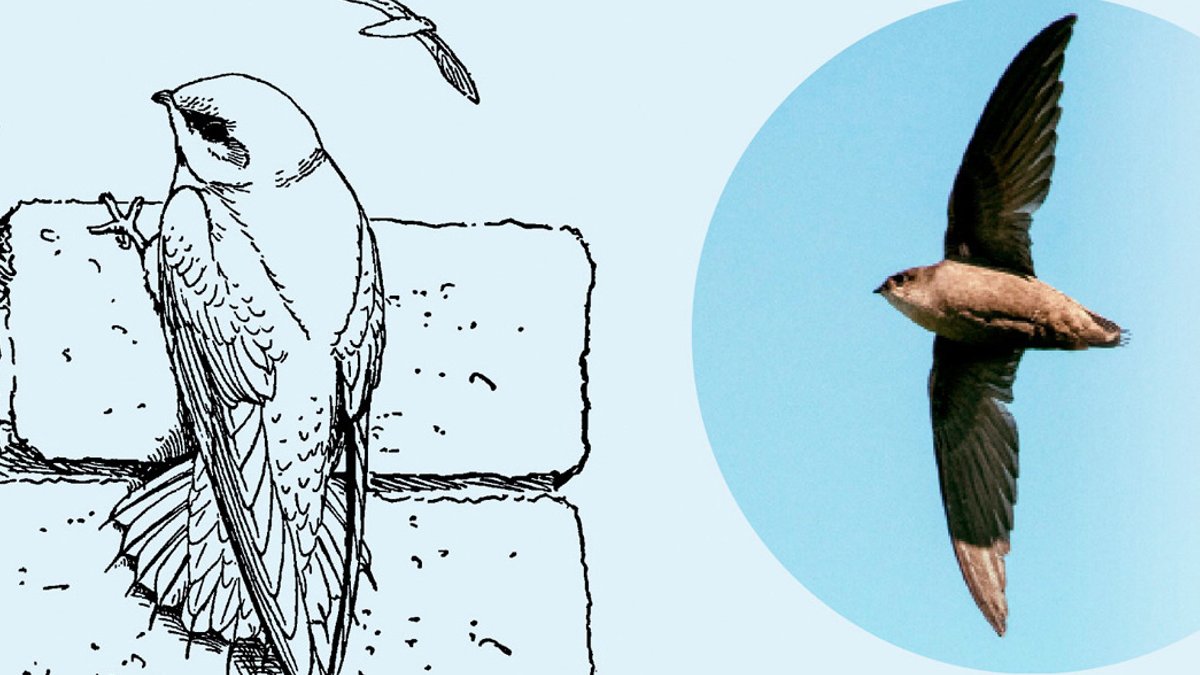
Chimney swifts are disappearing as the country’s old brick flues vanish, prompting conservationists to urge yard owners to create safer habitats for the fast-flying insect eaters.
When Chimney Swifts Arrive
In April the birds return to North America, filling the sky with chittering calls that persist until October. Their arrival marks the beginning of a season when they dominate the airspace above towns and parks, swooping low over streets and rooftops.
During daylight they dart over cities, suburbs, parks and parking lots, rarely staying in view for long. The swift’s life is spent on the wing: they eat, drink, bathe, court and even sleep while airborne. Landing is limited to nesting and roosting, which occurs inside uncapped chimneys or similar vertical cavities.
Why Chimneys Matter
Before humans built houses, swift ancestors nested in hollow trees. With the loss of mature forest, masonry chimneys provide the rough, vertical surfaces their claws can grasp, allowing nests of twigs and saliva to adhere.
In the last 50 years, chimney swift numbers have dropped by more than half, and the decline is accelerating. Habitat loss, including the disappearance of insect prey and suitable nesting sites, is the primary driver.
Because each uncapped flue can hold dozens of individuals, the loss of a single chimney may represent a substantial reduction in local breeding capacity. The cumulative effect of many such losses is reflected in the steep downward trend reported by researchers.
How Homeowners Can Help
Adding native plants to a garden supports the insects swifts need. Residents can consult the Audubon native-plant database for species suited to their zip code, choosing varieties that bloom at different times to ensure a steady supply of prey.
Keeping grass longer and mowing less often creates a richer insect community. Taller vegetation also offers shelter for other small birds that share the same environment, supporting a more diverse backyard ecosystem.
Read Also: Gardeners Mix Perennials for Textured Fall Containers
Avoiding chemical pesticides and herbicides prevents persistent toxins from entering soil and water, protecting the food chain that swift chicks rely on. By choosing organic or mechanical pest-control methods, gardeners reduce the risk of contaminating the insects that the birds feed on.
Leaving fallen leaves on the ground supplies nutrients and micro-habitats for insects. A modest brush pile can further boost shelter for wrens, nuthatches and other avian species, adding layers of ecological benefit.
Turning off unnecessary nighttime lighting during spring and fall migration reduces disorientation and collision risks for swifts and other nocturnal migrants. Darker skies help the birds maintain their natural navigation cues.
For properties with existing chimneys, owners may consider temporarily uncovering the flue in spring, then resealing it for winter. Alternative structures such as DIY towers or faux chimneys can serve public spaces where natural chimneys are absent, providing the vertical surfaces the birds seek.
Compared with past decades, modern neighborhoods offer fewer vertical cavities, making each available chimney far more valuable for local swift populations. Preserving even a single uncapped flue can sustain dozens of birds during the breeding season.
Spotting Swifts in the Neighborhood
Residents often notice swifts spiraling above street-level trees in the evenings. In one suburban community, a flock of about two dozen birds circled a sugar maple before a single swift dove head-first into a neighbor’s chimney, confirming the site’s use as a roost.
Such “bird tornadoes” are common wherever protected chimneys, barns, silos or industrial vents exist. When these structures are unavailable, they may congregate in specially built towers that mimic the vertical surface they require.
Learn more about chimney swifts at the U.S. Fish and Wildlife Service website: fws.gov/story/chimney-swifts. The Audubon native-plant database provides guidance on native planting here.


