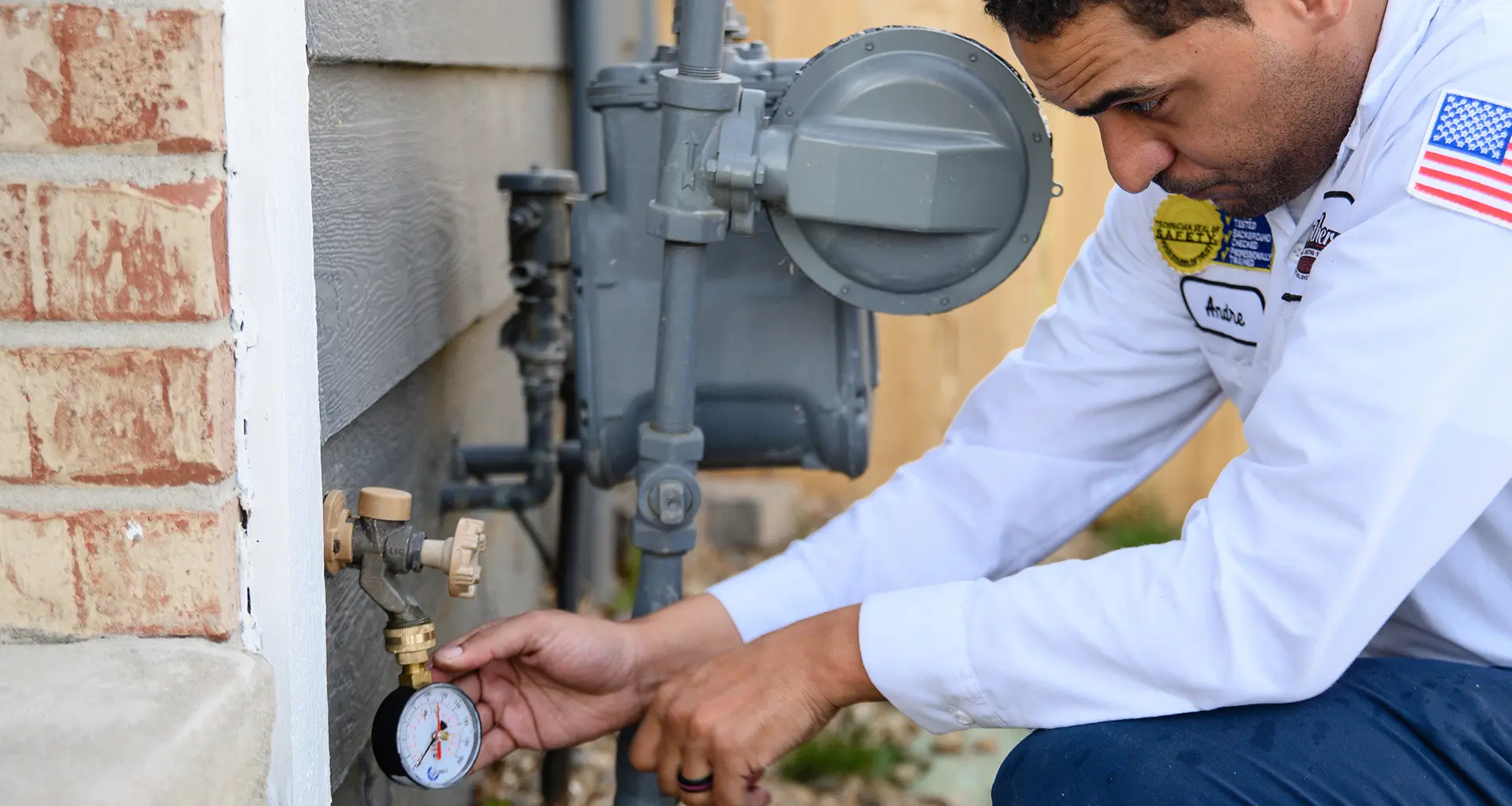
When a property’s plumbing system begins to show signs of distress—whether through recurring clogs, slow drainage, or unexpected moisture in unexpected places—the decision of how to proceed can be complex. Property owners and managers often face the choice of pursuing temporary, symptom-focused fixes or investing in a comprehensive assessment to understand the root cause of the issue. For those overseeing commercial or residential properties, especially within a varied landscape like the Denver area, this decision carries significant weight regarding both immediate functionality and long-term asset protection.
Evaluating the State of Sewer and Drain Infrastructure
The plumbing systems supporting buildings in this region are often subjected to a wide variety of stressors. Factors such as soil shifting, the natural aging of pipe materials, and the accumulation of environmental debris can all contribute to the degradation of a sewer line over time. When a system reaches a state where routine cleaning no longer provides a lasting solution, the underlying problem may involve structural compromise rather than simple obstruction.
At a high level, the options for addressing these concerns typically fall into two categories: non-invasive diagnostic evaluations and active structural interventions. A diagnostic approach involves using specialized tools to view the interior of the lines, allowing for a clear understanding of what is occurring beneath the surface without the need for immediate excavation. Active interventions, conversely, are designed to address identified physical failures, such as cracks, root intrusions, or collapsed segments of piping.
Approaches to Sewer Line Assessment and Maintenance
When engaging commercial plumbing contractors in Denver, the process typically begins with a rigorous investigation. Professional plumbing services in the area often emphasize the use of high-definition camera technology to inspect the pipe’s internal condition. This step is essential because it shifts the focus from guessing where a problem might be to documenting exactly what is happening inside the line.
The techniques employed by experts in this field vary based on the specific findings:
- Routine Maintenance: For systems experiencing buildup due to daily usage, methods such as high-pressure water jetting can effectively clear lines and restore full capacity. This is often viewed as a preventative measure to keep systems functioning smoothly.
- Targeted Repairs: In instances where a localized issue is detected—such as a single cracked joint or a minor root intrusion—technicians may focus on repairing or replacing only the affected section, which can often be achieved with minimal disruption to the surrounding property.
- System Overhauls: When an entire line has reached the end of its useful life or has suffered widespread damage, a full replacement or a trenchless lining process may be necessary. Trenchless methods, which use existing access points to insert a new pipe sleeve, are increasingly common because they can often avoid the need for extensive excavation across a site.
Factors Influencing the Decision to Repair or Replace
Determining the appropriate course of action involves weighing several considerations that are unique to each property. A property manager or owner should consider the following factors when discussing options with sewer line repair professionals:
- Age and Material of the Pipe: Older piping materials, while durable for many years, may eventually reach a point where patching is less cost-effective than a comprehensive replacement. Understanding the current state of the material is the first step in this analysis.
- Site Accessibility: The physical location of the sewer line—whether it lies beneath a parking lot, a foundation, or landscaping—influences the chosen methodology. Advanced repair techniques often provide ways to resolve deep-seated issues without requiring heavy machinery or significant landscaping disruption.
- Frequency of Past Issues: If a system has required frequent interventions in recent years, it may indicate that the underlying integrity of the line is compromised. In these cases, opting for a permanent solution rather than repeated smaller repairs can often be a more practical decision for long-term maintenance planning.
- Compliance and Local Standards: Staying aware of general plumbing standards and local infrastructure requirements is helpful for any property owner. Professional contractors in this field are typically well-versed in how to ensure that repairs align with the necessary expectations for municipal connection and site safety.
Aligning Plumbing Solutions with Long-Term Property Needs
Selecting the right strategy for sewer line repair is ultimately about aligning the immediate resolution of a plumbing crisis with the long-term health of the building. The goal is to move beyond the cycle of recurring emergencies. When meeting with potential service providers, property owners should ask how they approach long-term monitoring and whether they offer documentation, such as visual records of the pipe’s condition, that can assist in future planning.
A high-quality service provider will typically be transparent about the trade-offs involved in different methods. They should be able to explain why a particular repair strategy is recommended over another and provide a clear picture of what the recovery or maintenance cycle looks like for the chosen approach. For business owners and facility managers in Denver, the focus should remain on identifying partners who provide clear, data-backed reasoning for their recommendations.
Making an informed choice requires moving past quick fixes toward a mindset of structural health. By prioritizing accurate diagnosis and understanding the various options for restoration, owners can ensure their plumbing infrastructure remains a reliable, behind-the-scenes component of their property. Engaging with experienced professionals who prioritize transparency and utilize modern diagnostic tools is the most effective way to address current challenges while safeguarding against future complications.


