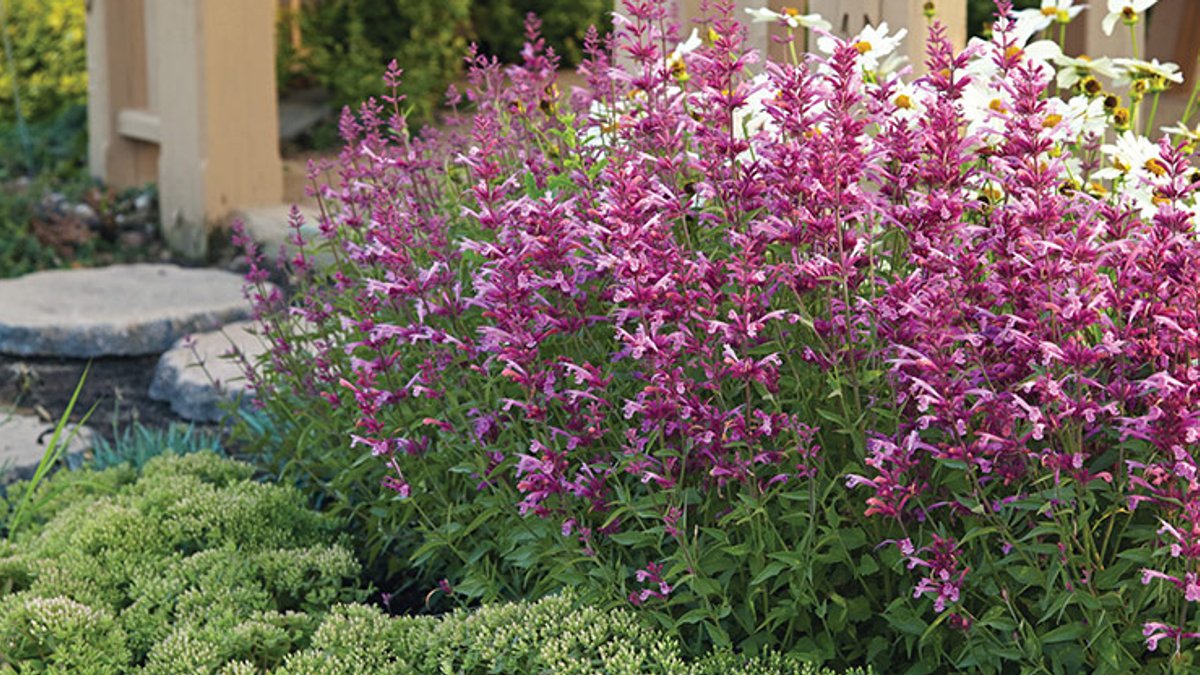
Agastache, known by various common names including hummingbird mint and hyssop, is a perennial plant prized for its ability to attract pollinators while resisting deer and rabbits. Its fragrant foliage and long-lasting blooms make it a versatile choice for gardeners seeking low-maintenance, drought-tolerant plants. This North American native, along with hybrids developed from it, thrives in full sun and well-drained soil, though regional variations in soil and climate require specific care approaches.
Growing Agastache in the Midwest
In the Midwest, where summers bring heat and humidity, Richard Hawke, director of ornamental plant research at the Chicago Botanic Garden, recommends minimal intervention for successful agastache growth. The plants flourish without fertilization, whether planted in the ground or containers. Mulching with a custom blend of leafy garden debris helps retain moisture and suppress weeds, while also protecting roots in cold winters.
Hawke notes that hyssop types, such as Agastache ‘Golden Jubilee’, are well-suited to the region’s conditions and may even reseed naturally. However, hummingbird mint varieties can struggle with root rot in the Midwest’s dense, clay-rich soils and wet winters. Newer hybrids show improved survival, and container planting offers a practical alternative for gardeners seeking compact, continuous bloomers.
Top varieties for the Midwest include a plant that reaches three feet tall in its first year, with flowers that are longer and more graceful than others. These selections have proven reliable in border plantings, maintaining their vigor and visual appeal year after year.
Soil Requirements and Ongoing Plant Trials
Anise hyssop and Korean mint thrive in richer soil with more organic matter and moisture. However, all agastache types will rot if soil remains consistently wet or soggy. Proper drainage is essential even when increased moisture is provided.
Related Post: Three water-saving garden strategies cut irrigation needs
Richard is conducting plant trials with 48 hummingbird mint varieties to assess their growth rate and bloom timing in a single season. Results from these trials are expected to be released in 2028. This research aims to identify the most robust and productive selections for gardeners.
Growing Agastache in the Southwest
In the Southwest, where hot, dry conditions and alkaline, mineral-rich soils dominate, Linda Churchill, director of horticulture at the Santa Fe Botanical Garden, emphasizes the importance of drainage and moisture control. Plants at 7,200 feet elevation require careful attention to prevent fungal issues, as hummingbird mint varieties dislike humidity. Spacing plants closely mimics mulch by conserving moisture and reducing weed growth.
Churchill grows many hummingbird mints in containers, using balanced liquid fertilizer to replenish nutrients washed away by frequent summer watering. A light layer of gravel mulch helps maintain drainage while protecting against temperature extremes. Leaving dead stems in place over winter provides crown protection, ensuring plants emerge healthy in spring.
Among the top picks for the Southwest is a variety noted for its taller stature and slightly higher water needs compared to others. Another selection thrives in rocky, well-drained soil, offering colorful blooms that attract hummingbirds even in challenging conditions.
At Denver Botanic Gardens, Associate Director Bridget Blomquist highlights the region’s 300 days of sunshine as ideal for these sun-loving perennials. Hot, dry summers with cool nights and mild, snowy winters create perfect conditions when proper drainage is maintained. The horticultural team cultivates agastache without fertilization, recognizing that lean soil conditions produce the healthiest growth. Their preferred mulch is squeegee—a smaller, more angular alternative to pea gravel that prevents wind blowby while maintaining excellent drainage.
Read Also: MA House blends subtle contrasts for timeless Istanbul living
This western-appropriate choice also simplifies weed control in high-altitude gardens. Maintenance requires selective deadheading. Hyssop types reseed prolifically in borders, necessitating regular removal of spent flowers. Hummingbird mint varieties, however, naturally tidy themselves and rarely need intervention. Bridget notes that winter survival depends heavily on drainage—plants in areas where snow piles tend to succumb to winter wetness, while those with good drainage persist year after year.
The Denver trials showcase exceptional variety, with selections blooming later in the season to extend the garden’s display period. Smaller cultivars excel in rock garden applications, while distinct two-toned orange flowers paired with purple calyxes create striking contrast against silvery foliage. These unique color combinations draw frequent visits from hummingbirds, which Bridget describes as engaging in dramatic aerial displays while competing for nectar access.
Southern Challenges and Solutions
In the humid Southeast, hummingbird mint demonstrates remarkable resilience despite challenging conditions. Sandra Begani at the University of Georgia Trial Gardens reports consistent performance throughout hot, humid summers with temperatures frequently reaching the 90s. The plants thrive even when faced with sporadic rainstorms followed by extended dry periods, showcasing their adaptability to irregular precipitation patterns.
Georgia’s notorious red clay soil poses significant obstacles, often resulting in short-lived agastache specimens. To counteract this, Sandra’s team incorporates compost and granular fertilizer directly into the planting beds each season. This nutritional boost ensures robust growth and extended blooming periods despite the soil’s inherent limitations. Pine straw serves as the mulch of choice, providing multiple benefits in the humid climate. The organic material conserves moisture, prevents soil erosion during heavy rains, and suppresses weed growth. This practical choice becomes especially valuable given that agastache’s attraction to bees makes weeding during peak bloom periods challenging work.


