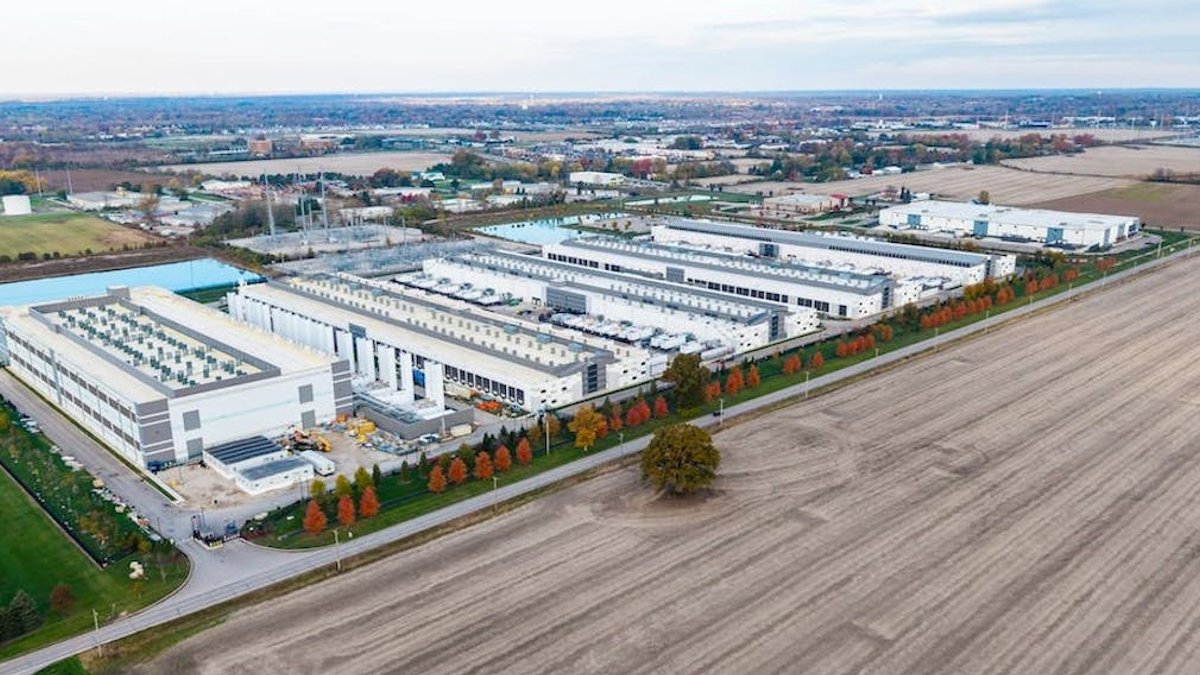
Large-scale data centers are spreading beyond their traditional rural locations and are increasingly settling into communities across the U.S. The real estate market is witnessing this shift as these facilities outbid traditional home builders for available land. While the focus was once exclusively on rural and low-income areas, the presence of these facilities is growing across regions and income levels.
A recent report from the real estate platform Realtor.com highlights this trend. The study traces the expansion of data centers and their growing competition for residential land.
The Geographic Shift
Historically, these facilities were concentrated strictly in rural locales. In 2015, only 12 ZIP Codes nationwide hosted a large data center. By June 2026, that figure had grown to 108 ZIP Codes, and it is expected to climb to 125 by the end of the year.
The initial wave of construction targeted rural and low-income communities, a pattern that defined the early years of the expansion. However, as land availability in those areas tightened and costs rose, high-income suburbs began to receive their fair share of facilities. The facilities are no longer just in the sticks; they are appearing in residential backyards across the country.
Related: Time Becomes Currency In Housing Market
Data from 2020 through 2023 shows a consistent shift toward wealthier neighborhoods during this time period. During this three-year span, ZIP Codes receiving new facilities consistently ran above the national median income. The peak occurred in 2023, when the median income in these areas was 24.7% above the median income.
The demographic targeting appears to be shifting back down the economic ladder. New large facilities opening in 2026 are situated in ZIP Codes that sit just below the national median income. This pattern is projected to continue through 2027.
Impact on Home Sales and Values
Despite the physical changes to the neighborhood, the financial impact on home values is negligible. The report analyzed data from 43 specific ZIP Codes that received a large data center between 2019 and 2025.
Analysts matched each of these ZIP Codes with a similar area in the same metro that did not receive a facility. What they found is that there was no major difference in price or sales activity between the metros.
Related: What to Consider When Looking for Concrete Ready Mix
The volume of these sales is rising, however. Since 2018, sales taking place near large data centers have more than doubled. They now account for 1.5% of all home sales nationwide.
Future Outlook
The construction boom is accelerating across the country. Currently, there are 350 large data centers operating in the U.S.
By 2027, the report predicts that this presence will become even more prevalent. It is expected that more than 2% of all home sales will take place within five miles of an active large data center.


