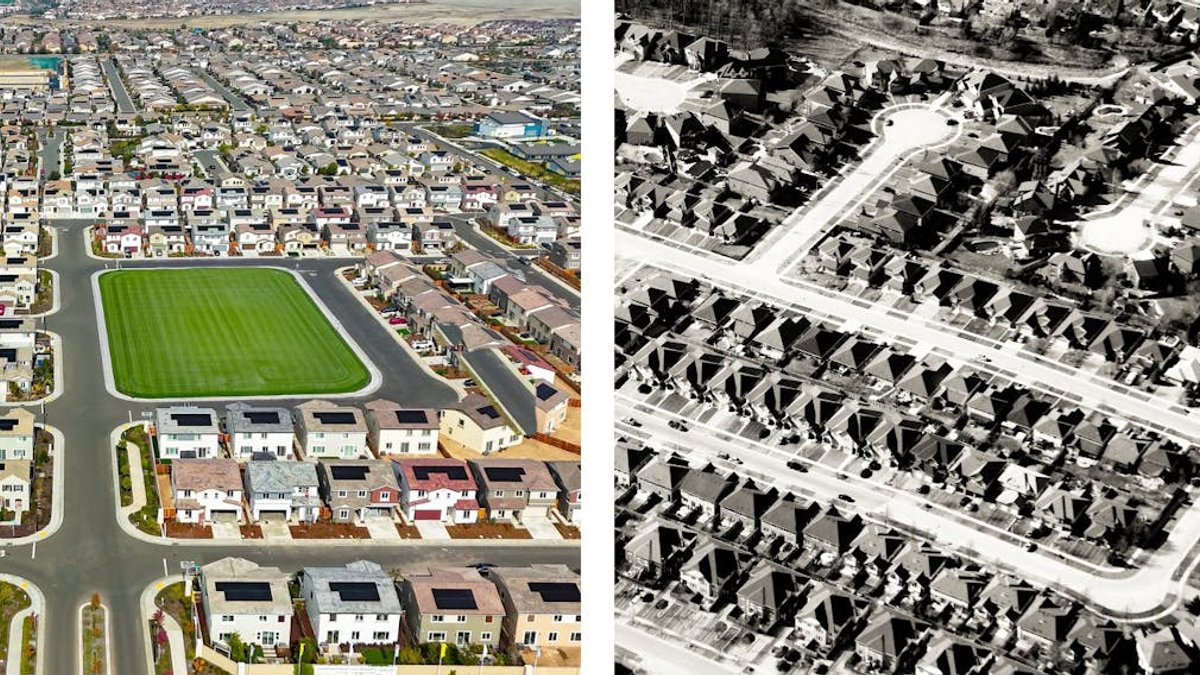
Housing affordability has become the most pressing economic question for many Americans, shaping political debates and prompting calls for new policy solutions.
Rising Cost Burden Highlights the Gap
Data from the 2024 Census, analyzed by Harvard’s Joint Center for Housing Studies, shows a record 22.7 million renter households spending over 30 % of income on rent and utilities. Of those, 12.1 million allocate more than half of their earnings just to keep a roof over their heads.
Homeowners are not immune. The same year, 20.7 million owner households were classified as cost‑burdened, meaning housing costs exceeded 30 % of their earnings.
These households are largely employed, raising families, and trying to manage budgets responsibly. Yet the growing share of income devoted to shelter leaves little room for savings or unexpected expenses.
When essential workers—teachers, nurses, first responders, factory staff, and tradespeople—cannot afford to live near their jobs, the strain spreads to local economies and public services.
Historical Precedent: Post‑War Homebuilding
After World War II, the United States faced a severe housing shortage. The federal response came through the GI Bill, which guaranteed home loans from private lenders to eligible veterans.
By 1955, roughly 4.3 million loans had been issued, with a face value of $33 billion (about $411.2 billion today). Veterans accounted for about 20 % of new homes built and occupied in the post‑war years, according to the Department of Veterans Affairs.
The program did not hand out free houses; it removed financial barriers that prevented qualified buyers from purchasing. Banks issued loans, builders erected homes, and manufacturers supplied lumber and appliances, creating a cascade of economic activity.
National homeownership rose from 43.6 % in 1940 to 55 % in 1950 and reached 62.1 % by 1960, according to U.S. Census records. The surge helped expand the middle class and generated millions of jobs.
That era suggests well‑designed housing policy can unlock private investment without replacing free‑market mechanisms.
A Housing Savings Approach: consider a modern‑day approach to housing supply and affordability, in which working Americans could redirect a portion of their federal income taxes into personal housing savings accounts.
Comparing the post‑war boom to today’s situation, the common thread is the removal of financial obstacles that prevent ordinary families from buying homes. Both periods show that targeted support—whether guaranteed loans or tax‑linked savings—can stimulate private sector response without dismantling market incentives. The difference lies in the tools: loans versus savings accounts, yet the underlying principle remains the same.
Affordability remains out of reach.
The whole thing feels a bit like trying to patch a roof with duct tape, but the combination of increased building capacity and personal savings could create a more resilient housing market.
As the housing shortage persists, the focus on affordability may determine whether public sentiment shifts toward broader economic reforms or stays within the existing framework.


