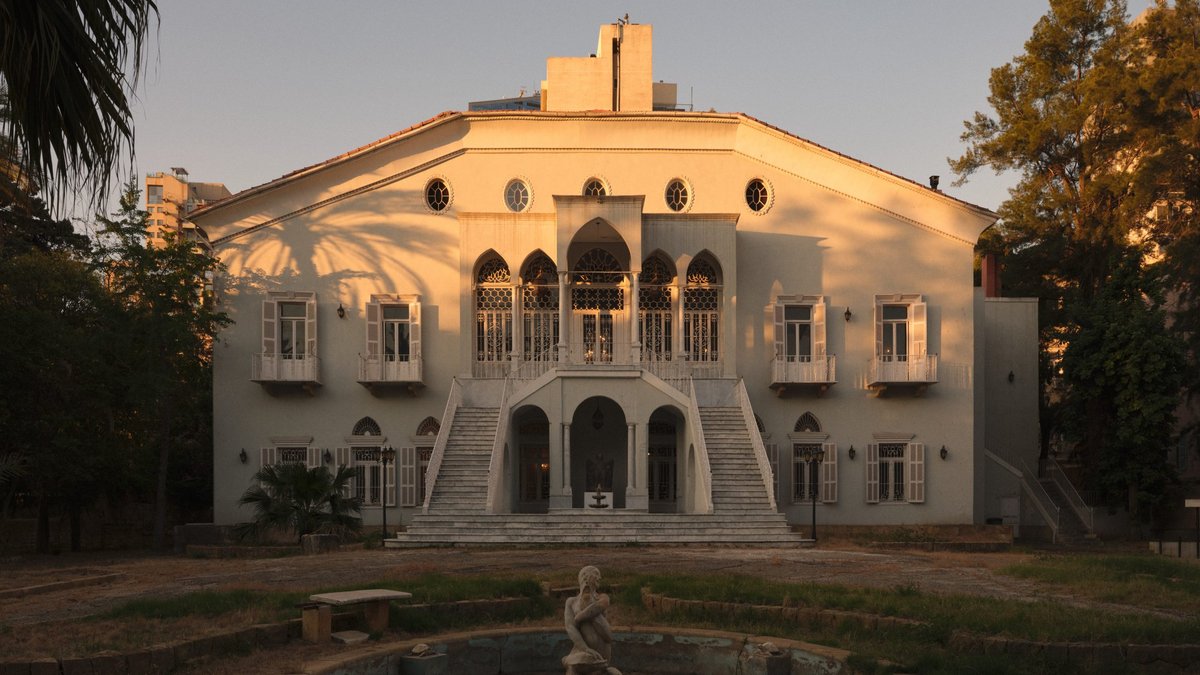
We Design Beirut Edition 03 returns to the city next year under the theme Love On The Mediterranean. The event, originally postponed due to the ongoing conflicts in the Middle East, will take place across Beirut from May 26–30, 2027. Over five days, visitors can attend eight exhibitions, five panel talks, and three excursions. The program unfolds through the city’s monumental heritage sites and reactivated spaces, including two storied private residences that are opening to the public for the first time.
Opening Historic Residences
Maison Tabet and Maison Rose are among the venues hosting events. Maison Tabet, once known as Palais Tabet, is a late-19th-century family home built by Joseph Tabet and held by five generations. The building and its garden are the setting for the collective design exhibition The Shape of Wonder. Curated by Nathalie Khoury and supported by Luura, this exhibition transforms the historic space into an environment where memory and imagination converge.
Located within the same historic structure, Beneath the Water offers a complementary visual experience. Presented by Johanne Issa and also supported by Luura, this series of 20 portraits is printed on cotton paper. Issa utilizes water, movement, and breath to explore introspection and the perceived separation between body and soul, creating an atmospheric meditation on liberation, self-nourishment, and connection to the universal.
Maison Rose serves as a venue for the youth-led exhibition Licensed to Forget. This project brings together architecture students from 10 universities in Lebanon and abroad. The students examine Beirut’s endangered architectural heritage through research, drawings, and models. The exhibition focuses on the legacy of Bechara Effendi, considering how memory, neglect, and loss shape the urban environment.
Exploring Mouneh and the Sea
Several exhibitions focus on the Levantine tradition of Mouneh, or food preservation. Petra Abou Sleiman curates What Remains of Summer, which presents more than 20 chefs and Mouneh makers. Their work combines food, scent, colour, sound, and storytelling to connect ancestral knowledge with contemporary expression. Dia Mrad’s photography exhibition Fieldwork provides a visual counterpart. Mrad traveled across Lebanon to capture farmers, artisans, and communities who sustain the Mouneh culture.
Education and Identity
The Mediterranean has historically been a place of exchange where people and materials travel across generations. Mariana Wehbe, the Founder and Creative Director of We Design Beirut, explains that the platform connects contemporary creativity with the city’s architectural and cultural heritage. By opening historic sites and private residences, the event aims to make both accessible to everyone.


